

Are Plantation Shutters Worth the Money?
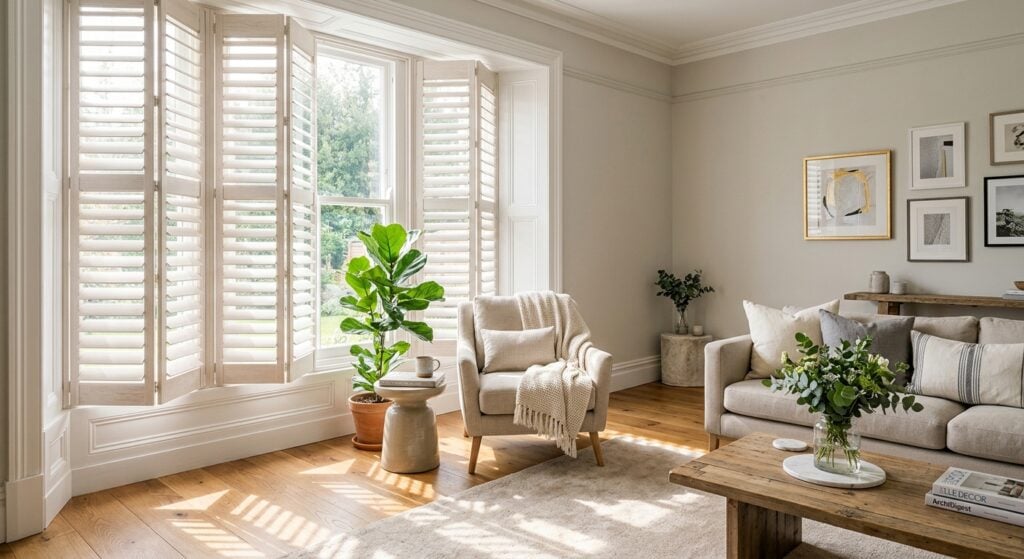
Window coverings are often one of the final finishing touches in a home renovation or build, but they have a significant impact on daily comfort, aesthetics, and privacy. Among the various options on the market, plantation shutters consistently sit at the higher end of the price spectrum. This naturally leads homeowners to ask: are plantation shutters genuinely worth the extra investment, or are traditional blinds and curtains a smarter financial choice?
The short answer depends on your timeline and what you value most in a window covering. If you are looking for a quick, low-cost fix for a rental or short-term living situation, shutters may not justify their cost. However, for long-term homeowners looking for durability, timeless architectural appeal, precise light control, and easy maintenance, high-quality Plantation Shutters often prove to be one of the most cost-effective choices over their usable lifespan.
Evaluating the Long-Term Benefits
To understand whether shutters offer good value, it helps to examine how they perform across the key factors that matter to homeowners over years of daily use.
1. Durability and Longevity
Standard fabric blinds and budget aluminium venetians often show signs of wear within a few years. Cords can fray, fabric can fade or fray in the harsh Australian sun, and thin slats are prone to bending or snapping. Plantation shutters, whether crafted from premium timber or moisture-resistant PVC and polymer composites, are engineered as permanent architectural fixtures. When installed correctly, they do not rattle in the breeze or sag over time, often lasting decades with minimal wear.
2. Flexible Light and Airflow Management
Unlike curtains that are either open or shut, or roller blinds that leave the window fully exposed when raised, shutters offer incremental control. By tilting the louvres, you can direct natural daylight up toward the ceiling to brighten a room without glare hitting your screens or furniture. This tilt mechanism also allows fresh air to circulate through open windows while maintaining shade and privacy throughout the warmer months.
3. Temperature Regulation and Insulation
Windows are one of the main pathways for heat gain in summer and heat loss in winter. Because plantation shutters are custom-fitted snugly into your window frames, they create a protective air barrier between the glass and your living space. When the louvres are closed during the heat of the day, solid polymer or timber panels effectively reflect radiant heat, helping reduce reliance on air conditioning and keeping indoor temperatures more stable.
4. Street Appeal and Property Value
Plantation shutters are one of the few window coverings considered a permanent fixture of the property. From the outside, they create clean, uniform lines across the facade, greatly enhancing kerb appeal. Potential buyers frequently perceive shutters as a premium upgrade, which can make your home more attractive on the market compared to properties with mismatched or aged fabric coverings.
5. Low-Fuss Cleaning and Allergen Reduction
Fabric curtains and textured roller blinds tend to trap airborne dust, pet dander, and pollen, which can be difficult to remove without steam cleaning or laundering. Shutters feature solid, smooth surfaces that are simple to wipe down with a microfibre cloth or a damp sponge. For households with asthma or allergy sufferers, this simple cleaning routine provides a tangible day-to-day lifestyle benefit.
Who Benefits Most from Plantation Shutters?
While shutters offer numerous functional advantages, they suit certain living situations better than others. You are most likely to find them worth the investment if you fall into one of these categories:
- Long-term homeowners: If you plan to stay in your home for five years or more, the durability of shutters means you avoid the recurring replacement costs associated with cheaper window furnishings.
- Homes in humid or coastal areas: Polymer and synthetic shutters are impervious to moisture, making them ideal for bathrooms, kitchens, and coastal properties where fabric blinds risk mould growth and metal blinds risk corrosion.
- Busy families: Without dangling cords or delicate chains, shutters provide a clean, uncluttered profile that is inherently safer for young children and less prone to accidental damage from pets.
- Street-facing rooms: If your living areas or front bedrooms look out onto a footpath or roadway, shutters allow you to tilt the louvres upward to let light in while completely blocking the view from pedestrians outside.
When Might Blinds or Curtains Be a Better Choice?
A balanced evaluation means recognising situations where alternative window treatments make more practical or economic sense:
- Tight upfront budgets: If your immediate renovation budget is constrained, standard roller blinds require a much smaller initial outlay.
- Short-term stays or rentals: If you are planning to sell or move within a year or two, you may not recoup the full personal value of a custom shutter installation.
- Complete blackout requirements: While shutters darken a room significantly, small amounts of light can still filter through the louvre margins. Homeowners who require pitch-black conditions, such as night-shift workers, may prefer heavy blockout curtains with side channels.
- Very narrow window reveals: In windows with minimal frame depth, fitting shutter frames can sometimes require face-mounting onto the architrave, which may protrude further into the room than a sleek roller blind.
Upfront Cost vs Lifetime Value
The primary barrier for most homeowners is the initial purchase price. Plantation shutters require precise custom manufacturing and professional measurement to fit your specific window openings. However, evaluating cost purely at the checkout misses the broader financial equation.
If a set of budget blinds needs replacing every five to seven years due to sun damage, mechanical failure, or worn cords, the cumulative cost of replacements, maintenance, and time adds up. Shutters eliminate that replacement cycle. When amortised over ten, fifteen, or twenty years of daily use, the cost per year often turns out to be comparable to, or even lower than, lower-grade alternatives.
For more detailed advice on material options, design styles, and frame selections, browse our comprehensive plantation-shutters guides to find the right fit for your home.
Frequently Asked Questions
Do plantation shutters last longer than blinds?
Yes. Quality plantation shutters made from engineered timber or composite polymer are built as solid, rigid fixtures. Unlike fabric blinds that are susceptible to UV deterioration, tearing, and fraying cords, shutters have few moving parts and routinely last for decades with basic care.
Are plantation shutters worth it for bedrooms?
They are an excellent option for bedrooms due to their ability to regulate airflow while maintaining total privacy. While they provide substantial room darkening, those who need absolute pitch-black darkness may choose to pair shutters with sheer or blockout drapes for added softness and complete light blockage.
Do plantation shutters help with privacy?
Yes, privacy control is one of their strongest features. Because the louvres can be angled up or down, you can block the line of sight from neighbouring two-storey homes or street-level foot traffic while still allowing natural daylight to fill the room.
Are plantation shutters high maintenance?
No, they are among the easiest window treatments to maintain. They do not require professional laundering or chemical treatments. A regular dusting with a feather duster or a quick wipe with a damp microfibre cloth is all that is needed to keep them in top condition.
When are plantation shutters not worth the cost?
Plantation shutters may not be worth the investment if you are renovating a short-term rental property, working with a very limited immediate budget, or dealing with unusually shaped windows where unobstructed glass space is the top priority.