

Do Plantation Shutters Block Out Light Completely?
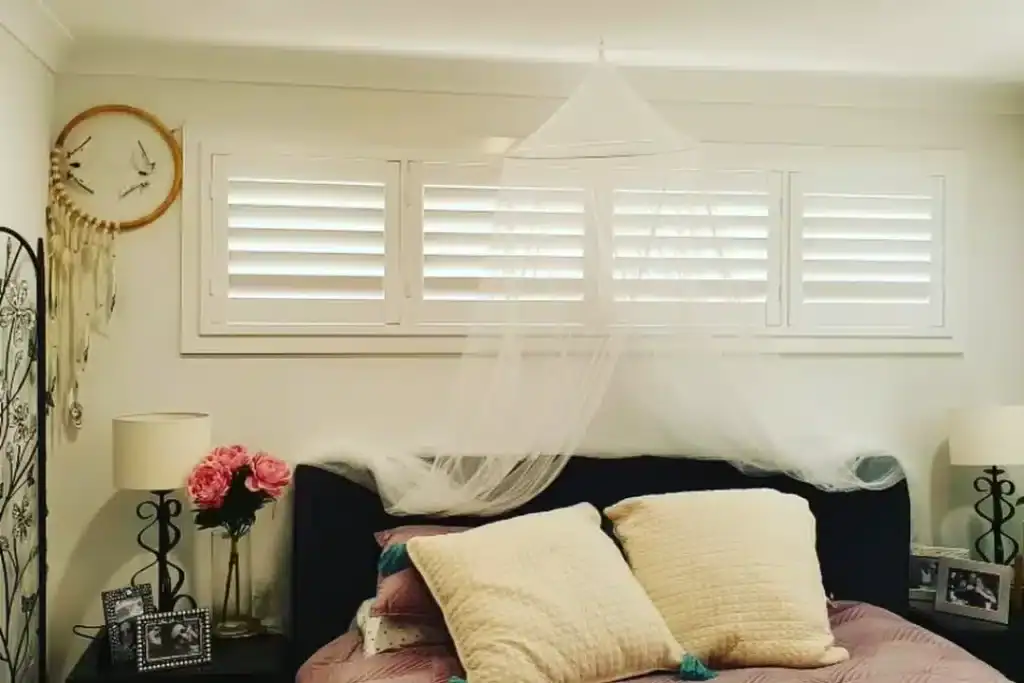
The short answer is no; standard plantation shutters do not block out 100% of incoming light. While premium Plantation Shutters offer exceptional light control and create a significantly darkened room, they are designed as a room-darkening and privacy window treatment rather than a certified total blackout solution.
When high-quality plantation shutters are fully closed, they block the vast majority of direct sunlight, transforming a bright, sunlit space into a restful, dimly lit environment. However, due to their moving parts and structural clearances, faint traces of light can still enter around the louvre edges, between shutter panels, and along the perimeter frame. For most Australian homeowners, this level of dimming is more than adequate for day-to-day comfort, relaxed sleep, and media viewing. For shift workers, nurseries, or light-sensitive sleepers needing pitch-black conditions, targeted adjustments or layered treatments can bridge the gap.
Understanding Light Dimming vs Total Blackout
To set the right expectations for your home, it helps to understand the practical distinction between “room darkening” and “blackout” window furnishings.
- Room Darkening: Reduces ambient light by roughly 85% to 95%. The room becomes noticeably dark, daytime glare is eliminated, and privacy is completely protected, but subtle light halos may remain visible around moving joints or edges.
- Total Blackout: Blocks out 99% to 100% of light, leaving the room pitch black even in the middle of a clear, sunny Australian afternoon. Achieving this typically requires continuous, channel-sealed fabrics with no structural gaps.
Standard solid timber or composite louvres are completely opaque, meaning zero light passes through the material itself. Any brightness in the room comes from the micro-gaps engineered into the shutter design to allow smooth daily operation.
Why Light Bleeds Through Closed Shutters
Plantation shutters are precision-engineered architectural joinery. For the panels to swing open, latch securely, and allow the louvres to tilt smoothly throughout shifting seasonal temperatures, specific functional tolerances are required. These necessary gaps are the primary sources of light bleed.
1. Louvre Overlap and Closure Angle
When you tilt your shutter blades closed, each louvre rests against the edge of the adjacent blade. While modern elliptical louvres are shaped to overlap snugly, they do not create an airtight vacuum seal. A small amount of ambient glow can filter between the individual louvres, especially when the sun is striking the window at a direct angle.
2. Operational Clearances Around Panels
Shutter panels sit within a matching outer frame attached to your window reveal. To prevent timber or composite materials from binding, catching, or rubbing as building materials expand and contract with humidity, a clearance gap of a few millimetres is maintained between the moving panels, hinges, and outer frame.
3. Tilt Rod Connections
Whether your shutters feature a traditional visible tilt rod running down the centre or a modern hidden (clearview) mechanism concealed in the stile, small connection points link each louvre together. These tiny pivot points create minor breaks in the solid surface where ambient light can filter through.
Key Factors Influencing Room Darkness
The total darkness achieved with plantation shutters depends heavily on how your window coverings are designed, fitted, and positioned.
Mounting Style: Inside Mount vs Outside Mount
How the shutter frame is installed on your window frame plays a major role in overall light exclusion:
- Inside Mount (Recess Fit): The shutter frame sits inside the window reveal. This provides a clean, flush appearance, but if your window frame is out of square, small gaps between the frame and plasterboard may require colour-matched gap sealing to prevent light leaks.
- Outside Mount (Face Fit): The frame is installed on the architrave or surrounding wall outside the window opening. Because the shutter frame overlaps the entire window opening, outside mounts often provide slightly better light blockage around the perimeter.
Louvre Size and Profile
Larger louvres (such as 89mm or 114mm blades) mean fewer total slats per panel compared to smaller 63mm blades. Fewer slats translate to fewer horizontal seams across the window, reducing the overall number of points where light can filter through.
Window Aspect and Direct Sunlight
An east-facing bedroom window exposed to direct morning sun will naturally show more visible light around closed shutter blades than a south-facing window receiving only diffuse ambient daylight. Understanding the orientation of each room helps determine where additional light-blocking measures might be worthwhile.
Options for Achieving Maximum Darkness with Shutters
If you love the clean, timeless look of shutters but need near-complete darkness in bedrooms or home theatres, several proven solutions can help you achieve optimal light control.
1. Integrated Blackout Shutter Systems
Some modern shutter configurations incorporate a built-in cellular (honeycomb) blackout blind housed within an integrated channel behind the shutter louvres. This hybrid system delivers the best of both worlds: elegant plantation shutter aesthetics during the day, with the ability to pull down a fully channelled blackout blind behind the closed louvres for total darkness at night.
2. Layering with Heavy Drapes or Curtains
Pairing interior shutters with floor-length blockout curtains is one of the most effective and luxurious design solutions available. While the shutters provide crisp privacy and light filtering during daylight hours, drawing thick blockout curtains at night covers the frame perimeter and seals off any ambient light bleed completely. You can explore more styling insights and product options within our plantation-shutters resources.
3. Professional Custom Measuring and Frame Selection
Off-the-shelf, DIY shutters frequently have noticeable light gaps because standard window openings are rarely perfectly square. Choosing professional measure-and-install services ensures the shutter frame is custom-built with specialised light-stop framing profiles and precision caulking to minimise perimeter light bleed.
Frequently Asked Questions
Are plantation shutters blackout?
No, standard plantation shutters are not classified as 100% blackout window furnishings. While the solid louvres prevent light from passing through the material, tiny operational gaps between the louvres and around the panel edges allow small amounts of ambient light to enter the room.
How dark will a bedroom be with shutters?
A bedroom with quality, professionally fitted shutters will be substantially darkened, blocking out approximately 85% to 95% of incoming light. For most people, this creates an ideal, comfortable sleeping environment that eliminates direct streetlights and sharp morning glare.
Why does light come through closed shutters?
Light filters through closed shutters because moving parts require functional clearances. Small tolerances between rotating louvres, panel hinges, and outer frames ensure that panels can open freely without friction or sticking when the seasons change.
Can shutters be combined with blockout curtains?
Yes. Combining plantation shutters with floor-to-ceiling blockout curtains is a popular and practical interior design choice. The shutters provide privacy and daytime light control, while the heavy curtains create total darkness, enhanced acoustic insulation, and added thermal protection when drawn.
What window covering is best for complete darkness?
For complete 100% darkness, fully channelled blockout roller blinds or cassette systems—where the fabric edges are locked securely into side and bottom aluminium channels—are the most effective single product. Alternatively, layering solid plantation shutters with heavy blockout curtains achieves an equivalent blackout result with superior aesthetic appeal.