

Why Plantation Shutters Work Well in Australian Bathrooms
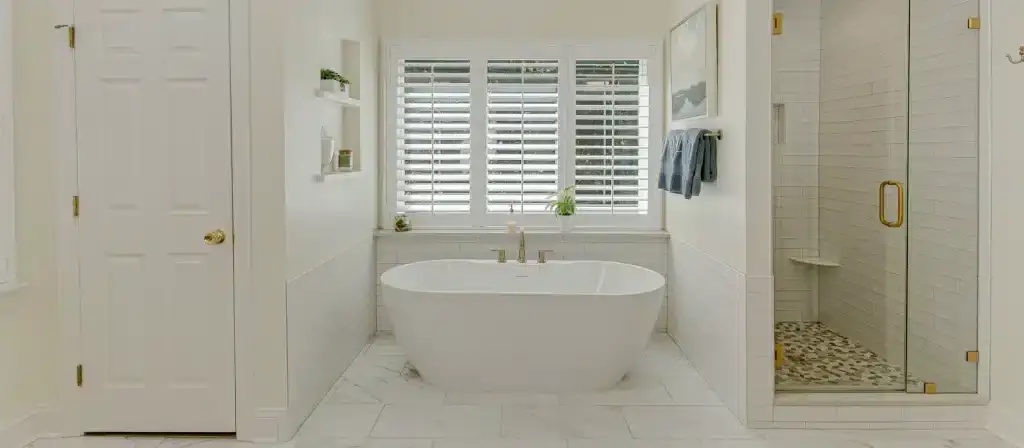
The short answer is yes: Plantation Shutters are an excellent window treatment for bathrooms, provided you select the right materials and design for a wet, humid environment. Bathrooms place unique demands on window coverings, combining high humidity, regular temperature fluctuations, steam, and direct water splashes with a strict need for complete privacy.
Traditional fabric blinds, curtains, and low-grade timber can quickly deteriorate in these spaces, absorbing moisture, warping, or developing mould. High-quality synthetic and moisture-resistant plantation shutters, however, handle damp conditions effortlessly while delivering superior light control and a polished, contemporary look.
Key Benefits of Bathroom Plantation Shutters
Choosing plantation shutters for bathrooms offers several functional and aesthetic advantages over roller blinds, frosted glass alone, or aluminium venetians.
1. Uncompromised Privacy Control
Privacy is the top priority in any bathroom or ensuite. Because plantation shutters feature adjustable horizontal louvres, you can angle the blades upward. This allows natural sunlight to filter into the room from above while completely blocking the line of sight from neighbouring properties or the street at ground level.
2. Superior Airflow and Ventilation
Good ventilation is essential for preventing mould growth and clearing steam after a shower. Unlike solid blinds that flap around in the breeze or trap moisture against the windowpane, shutters allow you to open your window fully while keeping the louvres tilted. Air circulates freely through the blades while maintaining your privacy.
3. Durability in Humid Climates
Quality synthetic shutters are non-porous and engineered to withstand daily exposure to steam, condensation, and temperature shifts without cracking, peeling, or swelling. When built with corrosion-resistant hardware, they remain functional and attractive for decades.
4. Easy Cleaning and Hygiene
Fabric coverings readily absorb moisture, airborne soap particles, and odours, making them prone to mildew staining. Shutters have smooth, solid surfaces that can be wiped down in seconds using a damp microfibre cloth and mild soapy water.
Choosing the Right Material: Moisture Resistance Matters
The success of installing plantation shutters in your bathroom comes down entirely to material selection. Bathrooms are classified as wet or high-moisture zones, meaning standard interior timber products are rarely the right choice.
Polymer and PVC (Synthetic) Shutters
Extruded polymer or solid PVC shutters are the gold standard for bathrooms, ensuites, and laundries. These synthetic materials are inherently water-resistant and completely non-porous:
- They do not absorb moisture, steam, or humidity.
- They will not warp, swell, twist, or rot over time.
- High-grade polymer louvres often feature an internal aluminium core, preventing sagging across wider window spans.
- They are finished with durable coatings that resist yellowing, chipping, and peeling.
Aluminium Shutters
Powder-coated aluminium shutters offer exceptional strength and complete resistance to moisture and rust. While commonly used for outdoor patios and balconies, internal aluminium shutters are also suitable for wet areas that receive direct, heavy water spray, such as windows fitted directly inside a walk-in shower enclosure.
Natural Timber Shutters: Proceed with Caution
Natural timber adds warmth and organic texture to living spaces, but standard hardwood or basswood shutters are not recommended for wet areas. Over time, recurring humidity causes wood fibres to expand and contract, leading to hairline cracks in the paint, warped louvres, and joint failure. Timber should only be considered in exceptionally large, open, and well-ventilated powder rooms where no shower or bathtub is present.
Waterproof vs Water-Resistant: Setting Realistic Expectations
When shopping for bathroom window furnishings, it is important to understand the difference between water resistance and fully waterproof installations:
- Water-Resistant Shutters: Designed to handle steam, condensation, humidity, and occasional water splashes without degradation. Most polymer and PVC shutters fall into this category and are ideal for standard bathroom windows placed near basins, toilets, or opposite showers.
- Direct Water Exposure: Even with synthetic louvres, standard mounting frames and steel fixings are not designed for perpetual submersion or direct high-pressure shower spray. If a window sits inside a wet-shower zone, ensure you specify marine-grade stainless steel hardware and waterproof synthetic or aluminium framing.
Design and Installation Tips for Bathroom Shutters
To get the best performance and longevity from plantation shutters for bathrooms, keep these practical design tips in mind:
Opt for Stainless Steel Hardware
Standard interior shutter hinges are often nickel-plated or mild steel, which can eventually develop surface rust when exposed to constant steam. Always request stainless steel hinges, screws, and pivot pins for any bathroom or laundry installation.
Consider a Split Tilt Mechanism
A split tilt rod or hidden split mechanism divides the operation of the upper and lower louvres. This allows you to keep the bottom louvres fully closed for total privacy while keeping the top louvres open to let in sunlight and fresh air.
Ensure Proper Clearances
Work with an experienced installer to account for window winders, taps, or protruding tiles. Inside-mount frames provide a neat, recessed look, but outside-mount frames may be required if your window handles or winder mechanisms interfere with the shutter blades.
Maintenance and Care in Humid Spaces
Maintaining bathroom shutters is straightforward, but regular care helps prevent water marks and dust accumulation:
- Ventilate Regularly: Run your exhaust fan during and after showers, and leave windows cracked open when possible to reduce standing humidity.
- Wipe Down Excess Condensation: If heavy condensation settles on the louvres after a hot bath, wipe them down with a dry towel.
- Routine Cleaning: Dust the louvres fortnightly with a feather duster or soft cloth. Wash away soap residue or water spots using a damp cloth and mild dishwashing liquid, then dry thoroughly. Avoid harsh chemical cleaners or abrasive scouring pads, which can scratch the protective finish.
Frequently Asked Questions About Plantation Shutters for Bathrooms
Can plantation shutters get wet?
Yes, provided they are manufactured from water-resistant synthetic materials like PVC, polymer, or powder-coated aluminium. While they easily handle splashes, condensation, and steam, they should not be subjected to continuous, high-pressure water streams unless fitted with marine-grade hardware and specifically rated for wet-shower enclosures.
What shutters are best for a bathroom?
Solid PVC or polymer shutters reinforced with an internal aluminium core are considered the best choice for residential bathrooms. They provide the classic look of painted timber while remaining impervious to moisture, swelling, and mildew.
Will bathroom humidity damage timber shutters?
Yes, frequent exposure to humidity and steam will eventually damage natural timber shutters. The moisture causes wood to expand, contract, and twist, which leads to cracked paint, sticking louvres, and structural warping. Timber shutters should be kept to dry living areas and bedrooms.
Do shutters provide bathroom privacy?
Yes, shutters offer some of the best privacy control available. By tilting the louvres on an upward angle, you completely block outside sightlines into the room while still allowing daylight to enter and steam to escape.
Can plantation shutters be fitted above a bath?
Yes, synthetic polymer shutters can be installed above a bathtub. Because bathtubs produce heavy rising steam and occasional splashes, PVC louvres fitted with stainless steel hardware will handle the damp conditions without rotting or peeling.