

Plantation Shutters vs Curtains: Which Window Treatment Fits Your Home?
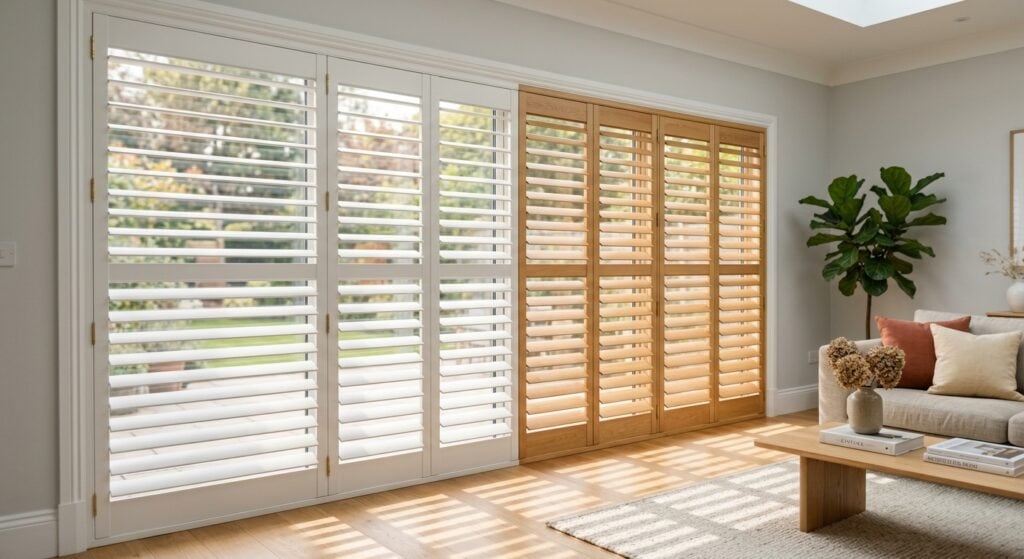
Choosing the right window dressing is one of the most impactful interior design decisions you will make for your home. Windows control natural light, airflow, privacy, and indoor temperature, while also serving as a visual focal point in every room. When weighing up plantation shutters vs curtains, many homeowners find themselves torn between the structured, architectural appeal of louvred shutters and the soft, textured elegance of flowing drapery.
Because both options offer distinct functional and aesthetic advantages, the best choice depends on how you use each room, your interior style, and your priorities around maintenance and light management. This comprehensive guide breaks down the differences between custom Plantation Shutters and curtains so you can make a confident, well-informed choice for your home.
Aesthetics: Architectural Structure vs Fabric Softness
The visual impact of shutters and curtains could hardly be more different. The right option depends largely on whether you want your window furnishings to blend seamlessly into the wall architecture or stand out as a decorative textile feature.
The Clean, Built-In Look of Plantation Shutters
Plantation shutters act like semi-permanent architectural features. Fitted directly within or around the window frame, they create clean horizontal lines that bring order and symmetry to a space. Shutters feel solid, bespoke, and tailored. Because they sit flush against the window reveal, they make rooms feel crisp, uncluttered, and modern without dominating the room’s decor.
The Texture and Warmth of Curtains
Curtains introduce movement, softness, and tactile warmth. Hanging fabric from ceiling to floor can dramatically alter the perception of a room’s proportions, making low ceilings appear taller and bare walls feel dressed and cosy. With curtains, you have endless choices of weave, colour, pattern, and heading styles (such as S-fold, pinch pleat, or eyelet), allowing you to bring rich colour schemes or subtle linen textures into your interior design.
Light Control and Daytime Visibility
How you want to manipulate natural daylight throughout the day is a primary factor when comparing plantation shutters and curtains.
- Precision adjustment with shutters: The greatest operational strength of shutters is their tilting louvres. You can tilt the blades to redirect harsh glare away from screens, bounce soft daylight up onto the ceiling, or close them partially to maintain outdoor views while blocking direct sun.
- Binary light with standard curtains: Solid curtains are generally either drawn open or pulled closed. While sheer curtains allow soft filtered light across the whole window, they do not block harsh glare on their own. Dual tracks (pairing sheers with blockout drapes) provide flexible light control, though they require operating two sets of fabric tracks.
Room Darkening: Which Achieves Better Darkness?
For bedrooms, nurseries, and home theatre spaces, light exclusion during resting hours is essential.
High-quality blockout curtains installed ceiling-to-floor and extending beyond the sides of the window reveal offer superior room darkening. The continuous drop of heavy fabric eliminates light bleed, trapping edge light behind the drapery folds.
While plantation shutters darken a room significantly, they are rarely 100% blackout. Because the louvres must rotate freely, tiny gaps exist between individual blades and along the perimeter frame. If you are a shift worker or require pitch-black sleeping conditions, a blockout curtain with generous overlap or a layered combination will provide deeper darkness than shutters alone.
Privacy Management
Maintaining privacy without cutting off all natural daylight is a common challenge, especially for front-facing bedrooms and ground-floor living areas near footpaths.
Plantation shutters excel at directional privacy. By angling the louvres upward, people passing by outside cannot see in, yet natural light continues to filter into the upper half of the room. Curtains, by comparison, require you to keep sheer panels permanently drawn to achieve daytime privacy, or close blockout drapes entirely, which plunges the room into darkness.
Insulation and Thermal Performance
Australian homes face intense summer heat and crisp winter mornings. Effective window coverings create an insulating air pocket between the glass and your living spaces.
- Plantation Shutters: Made from dense timber or insulating polymer compounds, shutters fit snugly within the frame, reducing convective heat transfer and reflecting direct radiant heat before it enters the room.
- Curtains: Heavy, floor-length curtains with a quality thermal or triple-weave lining trap a deep pocket of insulating air. When fitted close to the ceiling, floor, and walls, heavy drapes provide exceptional winter thermal retention by preventing warm indoor air from cooling against cold window glass.
Space, Footprint, and Everyday Functionality
Consider the physical layout of your room, furniture placement, and window access before deciding.
Floor Space and Furniture Clearance
Shutters sit neatly inside the window reveal, occupying zero floor space. This makes them ideal behind bedside tables, desks, kitchen benches, and in compact rooms where every square centimetre counts. Curtains require dedicated wall and floor space along the sides of the window (the “stack-back” area) so that natural light is not blocked when the drapes are opened.
Durability in Wet and Humid Areas
In wet zones such as bathrooms, laundries, and kitchens, moisture and grease make traditional fabric curtains impractical, as they absorb humidity and risk developing mould. Polymer plantation shutters are water-resistant, durable, and easily wiped clean, making them the superior choice for wet areas.
Cleaning and Ongoing Maintenance
Maintenance needs differ significantly between solid materials and woven fabrics:
- Caring for Shutters: Maintenance is simple and low-effort. A quick pass with a feather duster, microfibre cloth, or vacuum brush attachment keeps louvres clean. Spills and marks can be wiped away with a damp cloth.
- Caring for Curtains: While fabric does not need daily wiping, it attracts airborne dust and pet hair over time. Cleaning requires regular vacuuming with an upholstery attachment, spot-treating stains carefully, and periodic professional dry cleaning or delicate laundering.
Combining Plantation Shutters and Curtains
You do not necessarily have to choose one over the other. Pairing plantation shutters with sheer or decorative curtains is a popular high-end design technique that combines the practical strengths of both products.
In this layered setup, the shutters provide structured light control, airflow, and directional privacy during the day. Floor-length sheer curtains hung on a ceiling track frame the window, softening the room’s acoustics and adding a touch of luxury. This hybrid approach gives you complete control over your home’s ambience.
Frequently Asked Questions
Are shutters better than curtains?
Neither is universally “better”—each suits different functional needs. Shutters are superior for precise light direction, low maintenance, durability in wet areas, and a clean, built-in aesthetic. Curtains are superior for fabric softness, dramatic styling, total room-darkening capabilities, and acoustic dampening.
Which gives better light control?
Plantation shutters provide more versatile daylight control. You can angle the louvres up or down to minimise glare and protect furniture from UV rays while still letting light into the room. Standard curtains offer an open-or-shut dynamic unless paired with sheers on a double track.
Are curtains warmer than shutters?
Both provide solid thermal insulation when correctly fitted. Floor-length, lined blockout curtains that run ceiling-to-floor create a wide thermal barrier that is particularly effective at stopping winter heat loss. Quality shutters also insulate effectively by sealing off the window reveal and reflecting summer heat.
Can plantation shutters and curtains be used together?
Yes. Layering sheer drapes over inside-mounted plantation shutters is a designer favourite. It allows you to enjoy the easy blade adjustment of shutters alongside the soft, luxurious aesthetic and texture of fabric curtains.
Which is easier to maintain?
Plantation shutters are generally easier to clean on a day-to-day basis. They only require dusting with a microfibre cloth or an occasional wipe-down. Curtains require periodic vacuuming, careful spot-cleaning, and occasional laundering or professional dry cleaning to prevent dust buildup.
Making the Right Choice for Your Space
When choosing between plantation shutters and curtains, evaluate each room individually rather than feeling locked into one window treatment for the entire house. For bathrooms, kitchens, and rooms where you want a crisp, space-efficient look with versatile daytime privacy, explore our range of Plantation Shutters. For master suites, media rooms, or formal lounges where you want dramatic texture, acoustic softness, and complete room darkening, quality curtains make a compelling choice.